
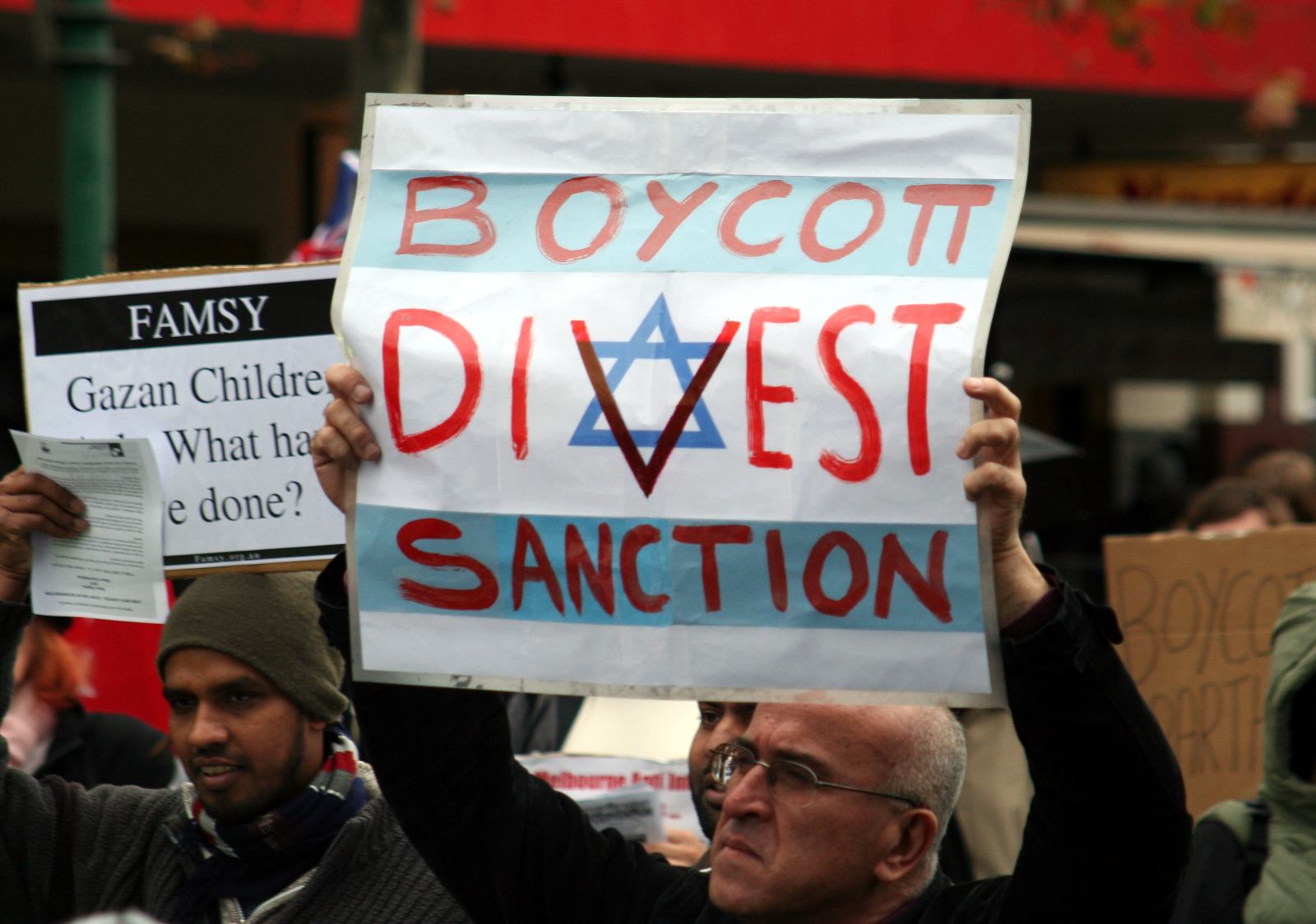
It must be still fresh in our collective mind when people call for a boycott of Israel-related brands like McDonald’s, Starbucks, Unilever, and many others. People wanted to put pressure on brands to think twice before continuing their support to Israel over their aggression on Gaza and the people of Palestine. The pressure got so big that it often dominated conservation on social media platforms. People also took to the street to demand and convince others to stop buying from target brands. The people slammed public figures and celebrities for buying from the boycotted brands. It was a phenomenon like never seen before in Indonesia.
This is not a first boycott in Indonesia. For instance, the French product boycott in 2020. People shunned French brands to protest French President Emmanuel Macron. He made a statement that was perceived as supporting a blasphemous cartoon against Islam. However, its scale and the duration was not on the same level as the Israel product boycott.
Why people decide to boycott?
A survey by YouGov showed that the leading reason for boycott are products that pose a health risk. Companies that engage in unethical practices and companies that do business with countries whose actions consumers disapprove are the next likely reasons. People are likely to boycott companies that are polluting or damaging the environment and companies that are raising prices suddenly.
The survey also showed that 53% of Indonesian consumers would boycott brands which do business with countries whose actions consumers disapprove. This actions can include military aggression, terrorism, human rights issues, unfair trade practices, and more. This number is the highest among other countries. This result is in line with the past boycotts that happened in Indonesia.
Four approaches to boycott
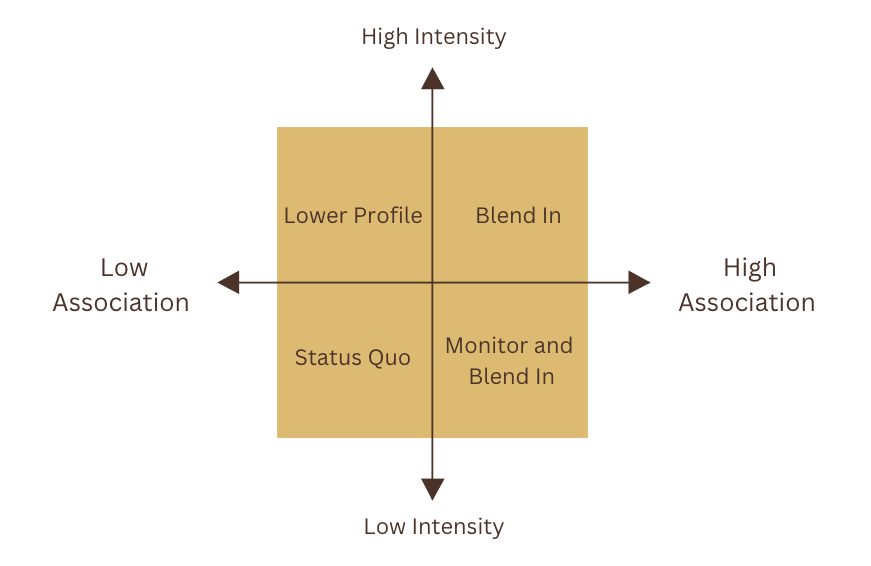
If the worst happens and your brand is boycotted, what should you do? A journal written by Shebil, Rasheed, and Al-Shammari in 2011 explained four approaches to handle calls for boycott. The approaches are based on brand-country association and boycott intensity. Brand-country association refers to how strong a brand is associated with its country of origin. Meanwhile, boycott intensity refers to the size, duration, and the aggressiveness of the boycott.
Blend in
If a brand has a strong association with a country and is facing an intensive call for boycott, the best strategy is to blend in. It means putting emphasis on the “local” character of the company. For example, McDonald’s has a strong American image and is in the middle of a boycott. McDonald’s should highlight the fact that it employs local workers or boost promotion for a localized menu.
Monitor and blend in
For a brand with a strong country of origin association but is in a low intensity boycott, the brand should monitor the condition and use a blend in strategy like mentioned in the previous slide. For example, Perrier is a French product and faced a low intensity boycott in the US in the early 2000. But because they have repositioned themselves as an American brand, they could gain acceptance from American consumers.
Lower profile
Brands with a low association with their country of origin and are facing intensive calls for boycott should keep a lower profile. It means that brands should lower their brand-country association or “hide” their identity. The journal gives an example of Danish products that use “Made in European Union” on their labels instead of “Made in Denmark” to avoid Danish product boycott.
Status quo
If a brand has low association with a country and in a situation with a low boycott intensity, the brand should maintain the status quo. In this stage, the company does not need to make any specific action.
The journal also highlights a phenomenon called the spillover effects, where a brand is associated with the wrong country of origin. For example, Nestle is a Swiss brand but many thought it is from France. So it was also targeted in a French product boycott before the company gave a clarification.
After determining the appropriate approach for your brand, you could activate your crisis management strategy. This should include issuing a statement acknowledging consumers’ concern. Make sure to be truthful and transparent and to show empathy, so you could build trust with customers. Brands should also issue statement promptly, as soon as they get all the information related to the boycott. A prompt response is essential in making sure you take control of the narrative and to stop misinformation from circulating. It could also send a signal to customers and stakeholders that your brand is taking the situation seriously.
Next Step
Do not forget to monitor the situation through social media listening tools to track conversations on social media and other platforms. You should also monitor news outlets to gauge the spread and impact of the boycott. Based on the result, you could adjust strategies as needed to better handle the situation.
No brand wants to be in the middle of a boycott, but making sure you have a sound crisis management plan will be a great help in time of need. By understanding approaches and strategies that you could take, your brand can effectively manage a boycott, mitigate its impact, and work towards restoring consumer trust and loyalty.

